Charlotte SEO Rankings / Journal
Unlocking the Power of MRI Services in Modern Healthcare: A Comprehensive Overview
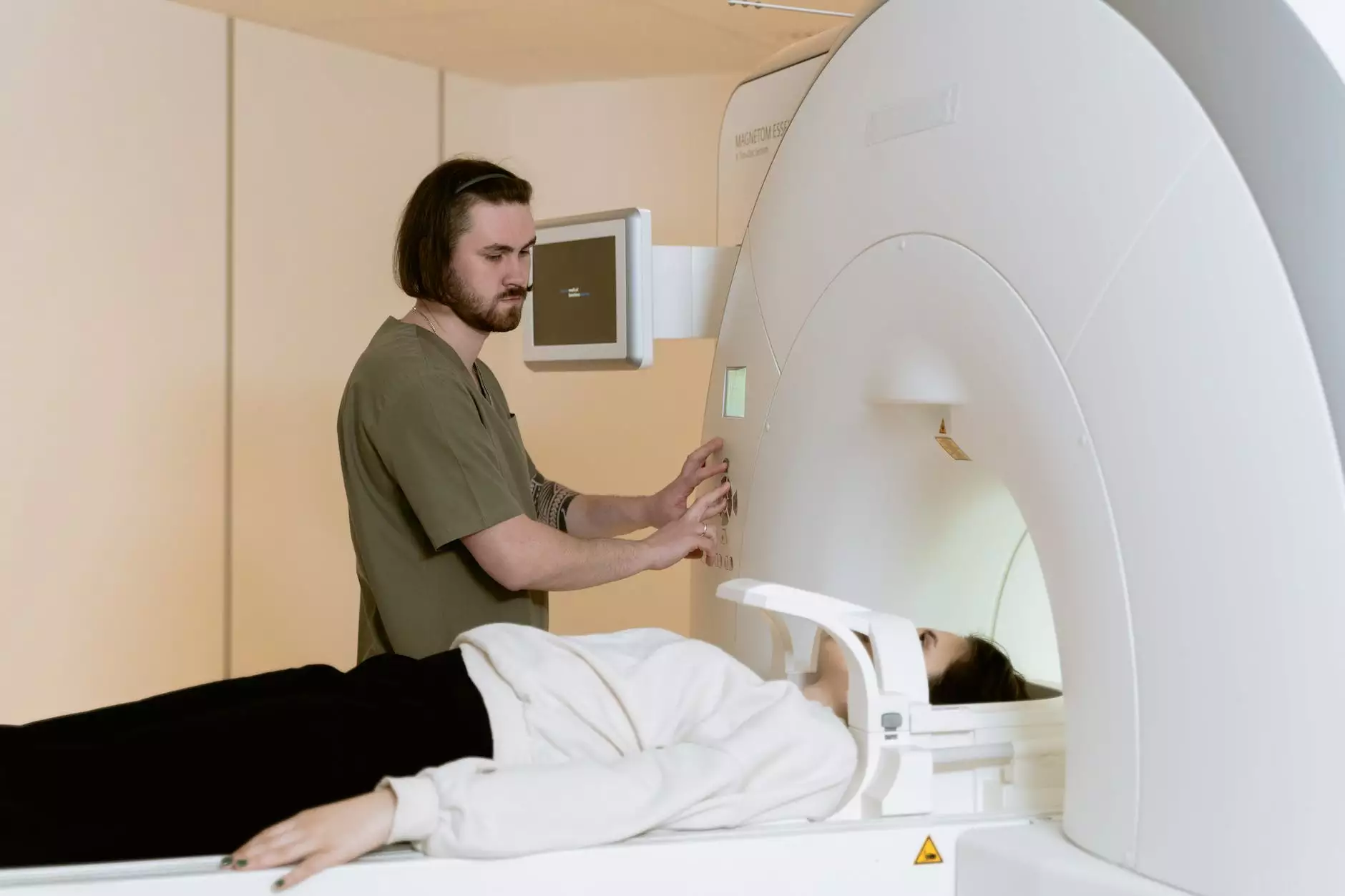
In the rapidly evolving landscape of healthcare, diagnostic imaging plays a critical role in ensuring accurate, timely, and non-invasive diagnosis of a myriad of medical conditions. Among these cutting-edge tools, MRI services (Magnetic Resonance Imaging) have become indispensable, revolutionizing the way physicians approach patient care. This detailed guide aims to explore the significance of MRI services, their technological advancements, benefits, and how leading medical centers leverage these capabilities to improve health outcomes.
What Are MRI Services and Why Are They Essential in Medical Diagnostics?
MRI services utilize powerful magnetic fields and radiofrequency waves to generate highly detailed images of the internal structures of the body. Unlike X-rays or CT scans, MRI does not use ionizing radiation, making it a safer option for repeated and comprehensive imaging. The technology's ability to differentiate between soft tissues with remarkable clarity makes it particularly valuable in diagnosing neurological, musculoskeletal, cardiovascular, and abdominal conditions.
Key features of MRI services include:
- High-resolution imaging of soft tissues, organs, and complex anatomical structures
- Non-invasive and pain-free procedure with minimal discomfort
- Ability to perform functional imaging and dynamic studies for a detailed assessment
- Versatile applications across various medical specialties
- Compatibility with contrast agents for enhanced visualization of blood vessels and tumors
The Evolution and Technological Advancements in MRI Services
The field of MRI technology has undergone significant advancements over the past few decades, transforming from basic imaging machines to highly sophisticated diagnostic tools. Modern MRI services employ innovations such as:
1. Higher Magnetic Field Strengths
Current MRI machines operate at magnetic field strengths of 1.5 Tesla and 3 Tesla, with some cutting-edge units reaching even higher levels. Higher Tesla machines deliver greater image detail, enabling specialists to detect minute abnormalities that were previously undetectable.
2. Advanced Imaging Sequences
New imaging sequences allow for faster acquisition times and better tissue differentiation, which results in superior image quality and reduced patient wait times. Techniques like diffusion-weighted imaging (DWI), functional MRI (fMRI), and MR spectroscopy provide deeper insights into physiological and pathological processes.
3. Open MRI Systems
Open MRI machines have improved patient comfort, especially for claustrophobic individuals or those requiring pediatric care. These systems offer wide bore designs without compromising image quality.
4. Artificial Intelligence and Software Enhancements
Integration of AI algorithms facilitates automatic image analysis, anomaly detection, and enhanced visualization, contributing to quicker diagnosis and personalized treatment planning.
How MRI Services Enhance Patient Care and Treatment Outcomes
The primary objective of any MRI service is to support healthcare professionals in delivering precise, early diagnosis that forms the foundation for effective treatment. Here's how MRI services contribute to superior patient care:
Early and Accurate Diagnosis
With high-resolution images, physicians can detect subtle abnormalities—tumors, lesions, inflammation, or structural defects—at stages when intervention can be most effective.
Non-Invasive Imaging with Minimal Risk
Unlike invasive diagnostic procedures, MRI offers a safe, painless alternative with no exposure to ionizing radiation, making it suitable for all age groups, including pregnant women and children.
Guidance for Interventional Procedures
Real-time MRI imaging assists clinicians during minimally invasive surgeries, biopsies, and targeted therapies, improving precision and reducing complications.
Monitoring Disease Progression
Patients undergoing treatment for cancers, neurological disorders, or degenerative diseases benefit from regular MRI scans to assess therapeutic efficacy and modify strategies as needed.
Leading Medical Centers and The Role of Specialized Diagnostic Services
Recognized medical centers specializing in diagnostic services increasingly incorporate advanced MRI services to ensure comprehensive patient assessments. These centers focus on delivering the highest quality imaging with:
- State-of-the-art MRI equipment and facilities
- Experienced radiologists and imaging specialists
- Customized imaging protocols tailored to specific conditions
- Rapid report turnaround for timely clinical decision-making
- Patient-centered care emphasizing comfort and safety
At platforms like echomagnetservices.com, patients and healthcare providers gain access to top-tier MRI services that integrate seamlessly with broader healthcare pathways, ensuring that diagnostics lead to effective treatments and enhanced patient outcomes.
The Benefits of Choosing Professional MRI Services in Healthcare Settings
Opting for dedicated MRI services within trusted medical centers offers numerous advantages:
- Superior Image Quality: High-definition imaging facilitates precise diagnostics.
- Expert Interpretation: Skilled radiologists provide detailed analysis, reducing diagnostic errors.
- Enhanced Patient Experience: Modern equipment and compassionate care minimize discomfort and anxiety.
- Comprehensive Diagnostic Capabilities: Wide range of protocols for neurological, musculoskeletal, cardiovascular, and abdominal assessments.
- Integration with Electronic Health Records (EHRs): Streamlined documentation for coordinated care.
Future Directions: The Continual Progress of MRI Services
The future of MRI services holds promising possibilities, including:
1. Ultra-High-Field MRI Scanners
Development of 7 Tesla and higher MRI machines will allow even finer detail and new contrast mechanisms, pushing the boundaries of diagnostic accuracy.
2. Portable MRI Units
Emerging portable MRI technology will facilitate in-field diagnostics, emergency care, and use in remote or underserved areas.
3. Artificial Intelligence and Machine Learning
Enhanced algorithms will automate detection, quantify disease progression, and potentially predict outcomes, allowing for more proactive healthcare management.
4. Personalized Imaging Protocols
Tailored MRI examinations based on individual patient genetics, history, and specific clinical questions will improve accuracy and reduce unnecessary scans.
Choosing the Right Provider for Your MRI Services
For patients and healthcare practitioners alike, selecting a provider that combines technological excellence with professional expertise is crucial. Considerations include:
- Certification and accreditation of imaging facilities
- Availability of advanced MRI technologies
- Qualified radiologists and support staff
- Patient comfort and safety protocols
- Affiliations with reputable health networks
In particular, echomagnetservices.com exemplifies a provider committed to excellence in MRI services, delivering comprehensive diagnostic solutions that elevate healthcare standards and serve as a trusted partner in medical excellence.
Conclusion: Embracing the Future of Diagnostic Imaging with MRI Services
As the cornerstone of modern diagnostic medicine, MRI services continue to evolve, offering unparalleled insights into the human body. Their ability to deliver high-quality, non-invasive, and detailed imaging aligns perfectly with the goals of precision medicine—tailoring treatments to individual patient needs and conditions. Medical centers that prioritize technological sophistication and patient-centered care are setting new standards in healthcare, ensuring that MRI services remain a vital component in improving health, diagnosing complex conditions early, and guiding effective interventions.
Investing in the latest MRI technology and expertise not only benefits patients but also elevates the overall quality and credibility of healthcare organizations. As innovations continue and future breakthroughs emerge, MRI services will undoubtedly remain at the forefront of medical diagnostics, transforming healthcare outcomes worldwide.